The History of Neighborhood Festivals in the US
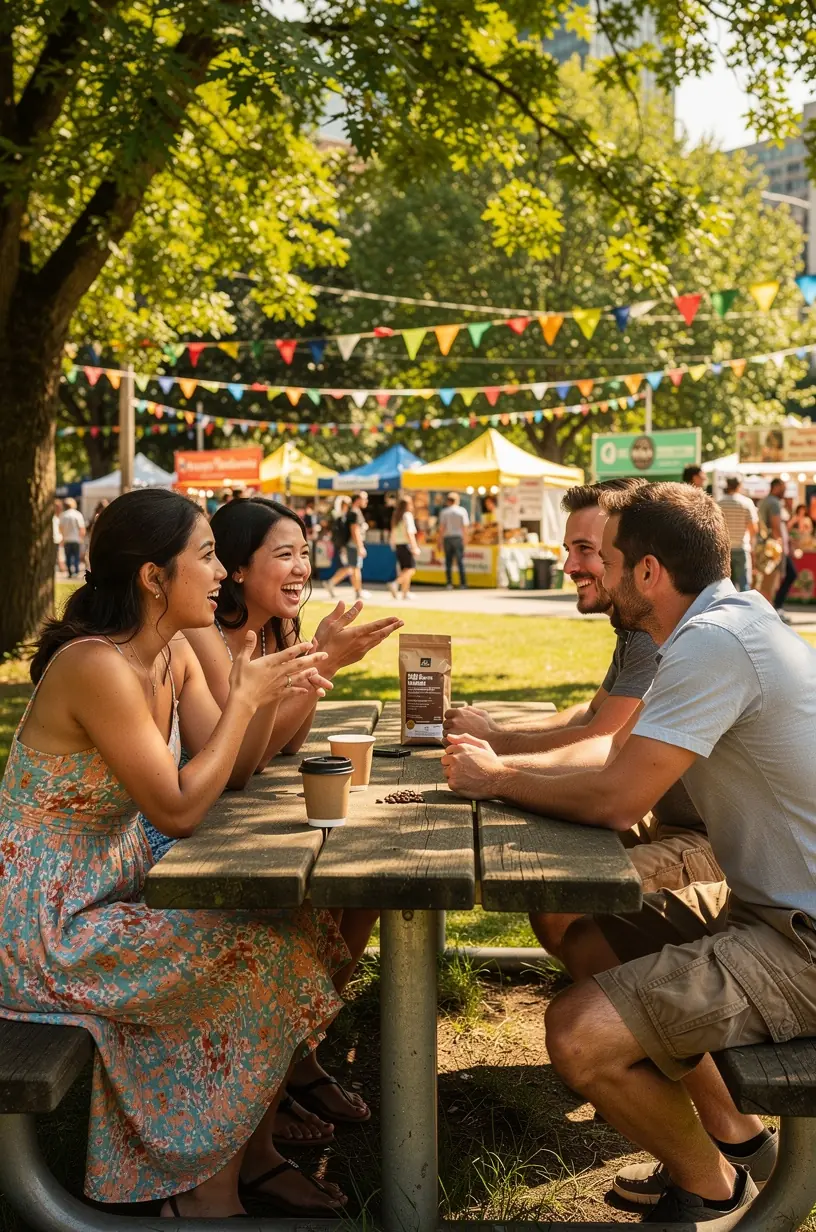
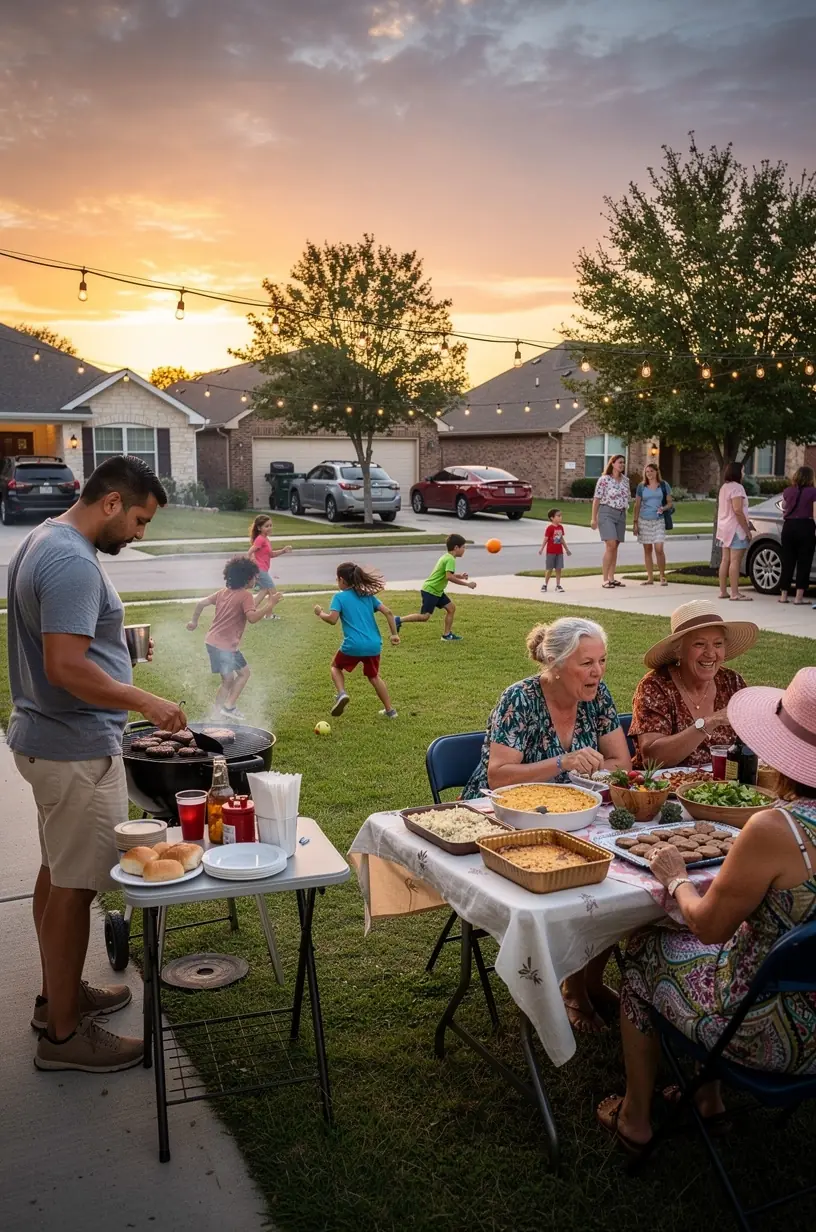
Neighborhood festivals have long been a staple of American culture, fostering community spirit and celebrating local traditions. This article explores the historical significance of these events, their evolution over time, and their impact on communities across the United States.
Understanding the Roots of Neighborhood Festivals
The concept of neighborhood festivals in the United States can be traced back to the early 20th century. According to cultural historians, these gatherings were often designed to celebrate cultural heritage and provide a sense of belonging. Research indicates that these festivals typically served as a means for communities to showcase their unique traditions and foster social connections.
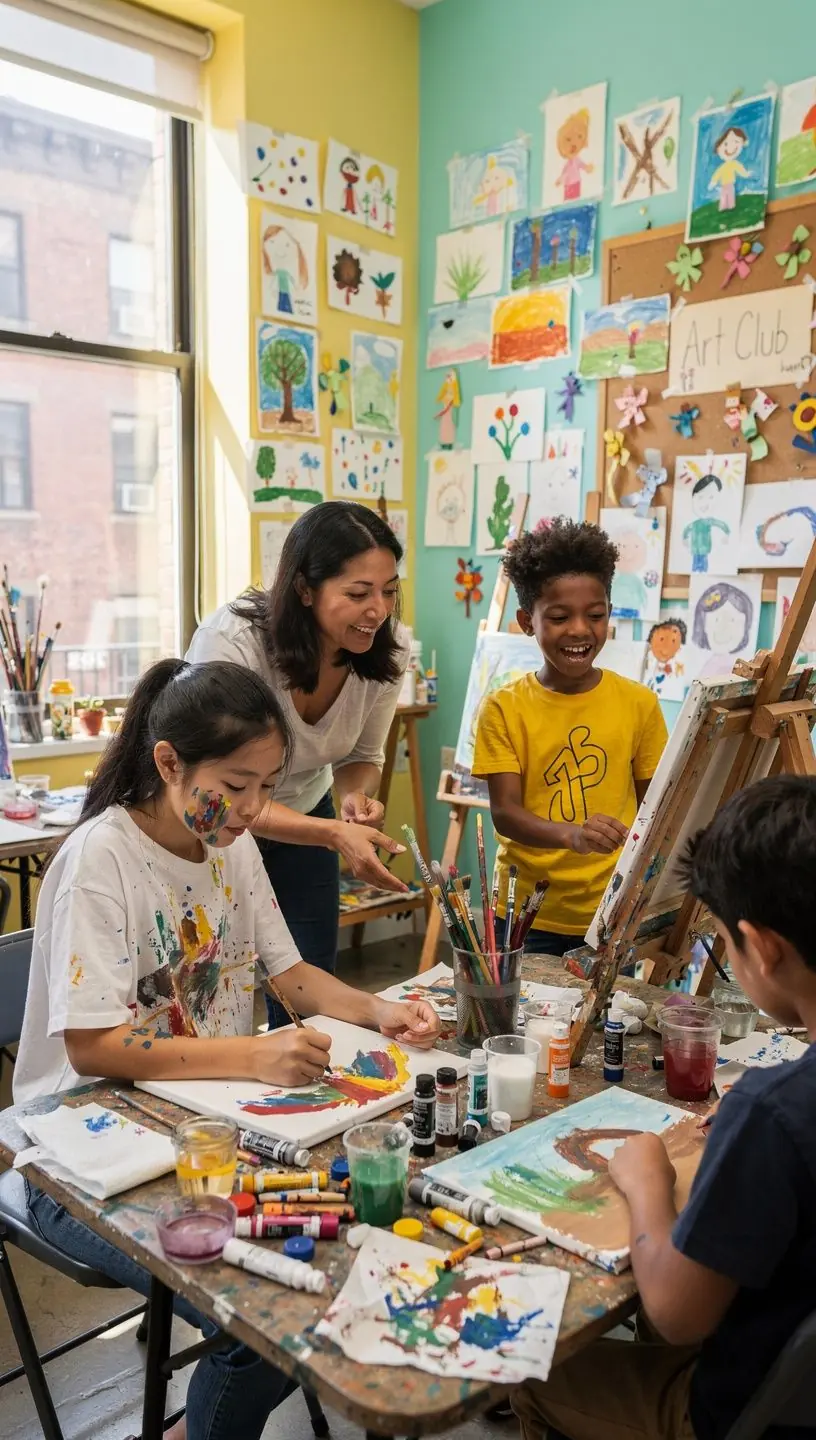
"Festivals have always been a way for communities to come together, share their stories, and celebrate their identities." – Cultural Historian
Evolution Over the Decades
Initially rooted in specific cultural or religious celebrations, such as harvest festivals or religious holidays, neighborhood festivals have evolved significantly. By the 1960s and 1970s, the rise of the counterculture movement led to a broader embrace of diverse traditions, integrating various cultural elements into local festivals. Many cities began to host annual events that included food, music, dance, and art, reflecting a more inclusive community spirit.
Types of Festivals and Their Impact
Today, neighborhood festivals come in many forms, each with its own unique characteristics:
- Cultural Festivals: These events celebrate specific cultural heritages, such as the Italian Feast of San Gennaro in New York, which showcases Italian-American culture through food, music, and tradition.
- Art and Music Festivals: Events like the South by Southwest (SXSW) in Austin, Texas, highlight local artists and musicians, fostering creativity and supporting local economies.
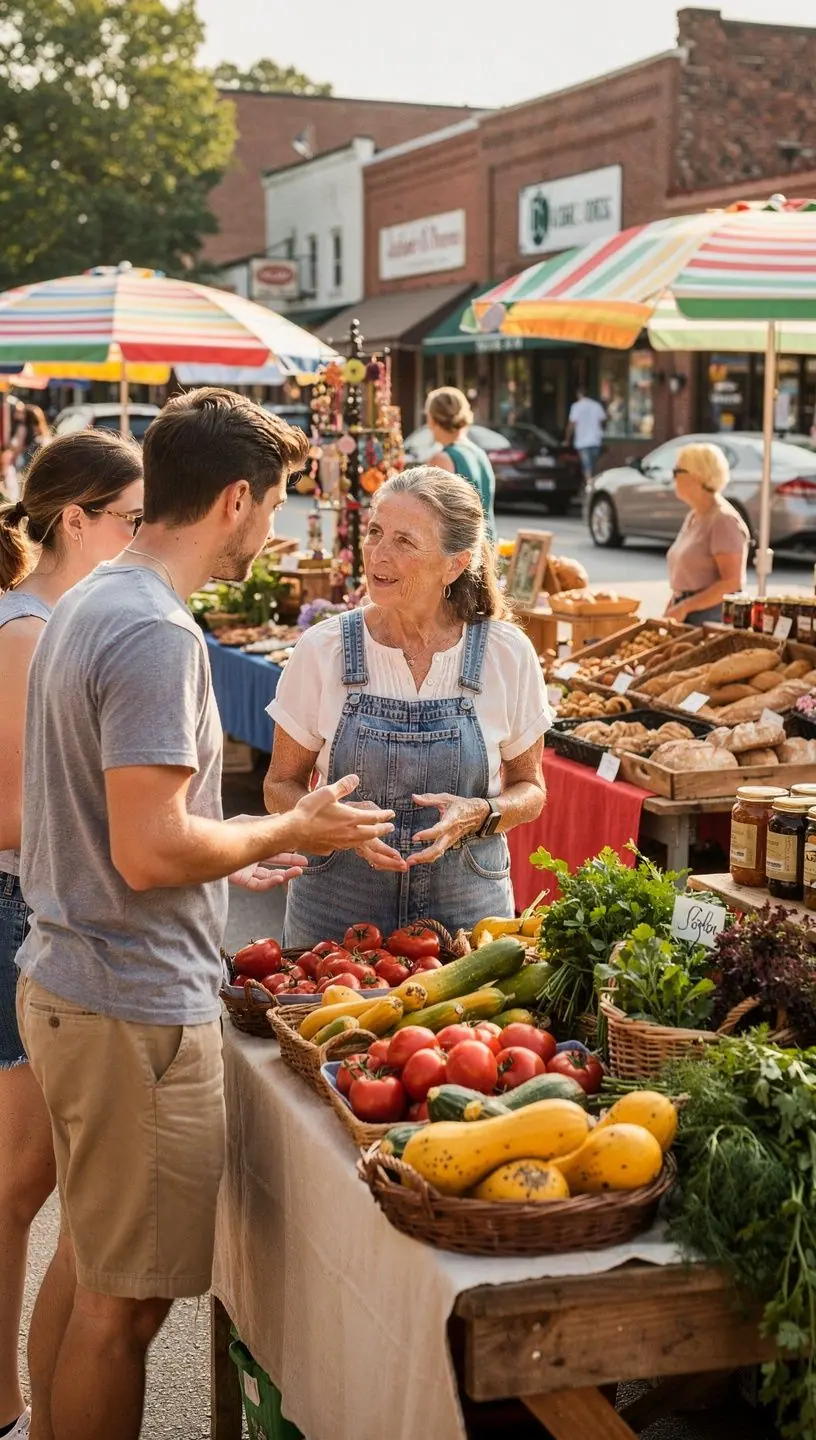
- Food Festivals: These festivals often feature local cuisine and artisans, helping to promote local businesses. For instance, the Taste of Chicago provides a platform for small restaurants to reach a wider audience.
Studies show that these festivals can enhance community engagement, promote local businesses, and even bolster tourism. They often require significant planning and collaboration among local organizations, but the potential benefits can be substantial.
Challenges and Considerations
While neighborhood festivals can be immensely beneficial, they also come with challenges. Organizing a successful festival typically requires a commitment of time and resources. Local governments and community organizations often collaborate to address logistical concerns, such as safety, permits, and funding. Experts suggest that early planning and community involvement are essential for creating sustainable events that meet the needs of the neighborhood.
Conclusion
Neighborhood festivals in the United States have evolved from simple cultural celebrations into expansive events that foster community spirit and promote local culture. While they present certain challenges, the benefits they offer in terms of community engagement and economic support are significant. As these festivals continue to grow and adapt, they serve as a vital reminder of the importance of community and the rich tapestry of American life.